
Increasing website traffic for monetization can seem like a daunting task, but with the right strategies, you can turn your site into a flourishing hub of activity and revenue. In “Increasing Website Traffic For Monetization,” you’ll discover effective methods to boost your website’s visibility and attract more visitors. This guide dives into practical tips ranging from optimizing your content for search engines to leveraging social media platforms, all aimed at transforming your traffic numbers into financial gains. Whether you’re a seasoned site owner or a beginner, you’ll find actionable insights to help you navigate the journey of growing your online presence and income. Have you ever wondered how to drive more traffic to your website for monetization? Well, you’re in the right place! Buckle up because we’re diving into the ins and outs of increasing website traffic so you can turn those visitors into cash.

Why Website Traffic Matters
You might be asking yourself, what’s all the fuss about web traffic? That’s a fair question. Website traffic is like the bustling crowd in a busy marketplace; without it, your business would be a ghost town. And in the online world, traffic is currency.
The Lifeblood of Monetization
Website traffic is crucial for several reasons. Firstly, more traffic means more potential customers are seeing your products or services. It’s the first step in your sales funnel. Secondly, advertisers and affiliates are more likely to partner with you if you can guarantee a steady stream of visitors. Lastly, higher traffic translates to better search engine rankings, which brings in even more traffic. See how it works?
Organic Traffic vs. Paid Traffic
You’re bound to encounter two main types of traffic: organic and paid. Both have their merits and pitfalls. Allow me to break it down for you in a way that even your tech-averse aunt could understand.
Organic Traffic
Organic traffic comes from unpaid sources, primarily search engines like Google. When people search for something relevant to your site, and your site pops up, that visitor counts as organic traffic.
Pros
- Cost-effective.
- Higher trust factor.
- Long-term benefits.
Cons
- Time-consuming.
- Requires consistent effort.
- Difficult to master SEO.
Paid Traffic
Paid traffic, on the other hand, involves spending money to bring visitors to your site. This can be through Google Ads, social media ads, or sponsored posts.
Pros
- Immediate results.
- Targeted audience.
- Scalable.
Cons
- Expensive.
- Short-term.
- Competitive.
Setting Realistic Goals
Before you start chasing traffic, set some realistic goals. Is it a 20% increase in monthly traffic you’re aiming for? Perhaps boosting conversion rates by 15%? Set SMART goals – Specific, Measurable, Achievable, Relevant, and Time-Bound.
Examples of SMART Goals
| Specific Goal | Measurable | Achievable | Relevant | Time-Bound |
|---|---|---|---|---|
| Increase organic traffic by 20% | Use Google Analytics | Yes | Relevant | Within 6 months |
| Boost conversion rate from 1% to 2% | Use sales data | Yes | Relevant | Within 4 months |
| Gain 1,000 followers on social media | Track via platform | Yes | Relevant | Within 3 months |
SEO (Search Engine Optimization)
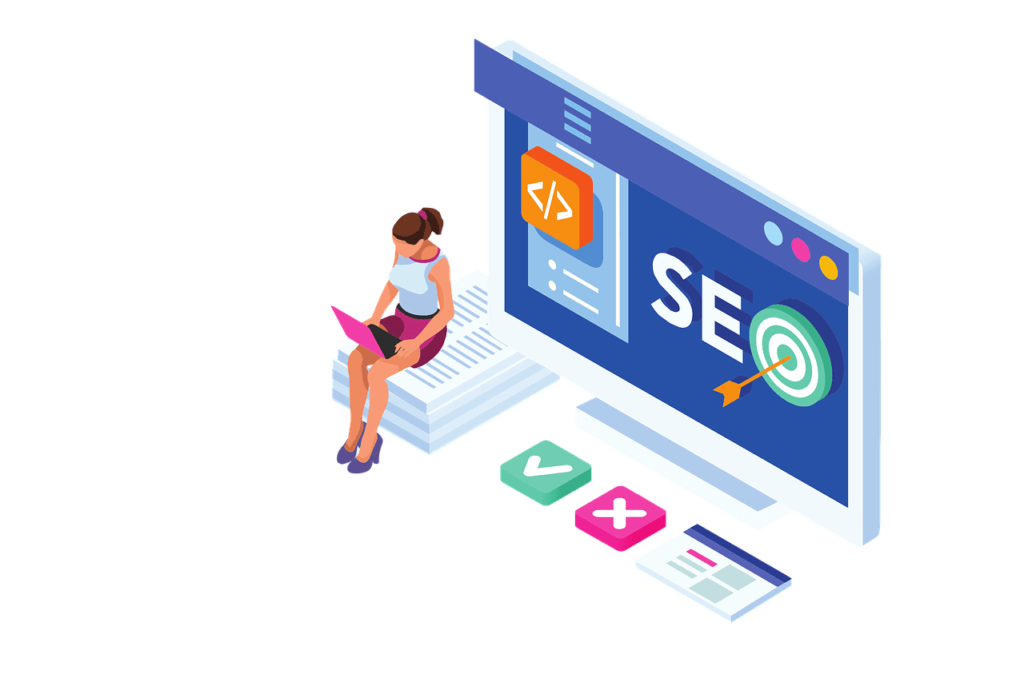
Ah, SEO. The mystical land where algorithms and keywords reign supreme. Learning SEO is akin to mastering an exotic dialect. It’s challenging but incredibly rewarding.
On-Page SEO
On-page SEO involves optimizing individual pages so they rank higher in search results. Focus on keywords, meta descriptions, and internal links.
Keywords
Identify high-traffic keywords related to your niche. Use tools like Google’s Keyword Planner or Ahrefs to find relevant keywords.
Meta Descriptions
Write compelling meta descriptions. These 160-character snippets should entice potential visitors to click on your link.
Internal Links
Create a web of content that keeps visitors on your site longer. Internal links do just that, plus they distribute “link juice,” which can improve your site’s search rankings.
Off-Page SEO
Off-page SEO refers to actions taken outside your website to affect your rankings within search engine results pages (SERPs). This usually involves backlinks, social media engagements, and influencer marketing.
Backlinks
Think of backlinks as digital votes of confidence. The more reputable sites link back to you, the higher your credibility.
Social Media Engagement
Boosting your social signals—likes, shares, comments—can also contribute to your SEO. More engagement usually correlates with a better ranking.

Content Creation for Traffic Generation
Content is king, or if you prefer something a bit more democratic, content is the mayor of your website. Creating quality content is the linchpin for drawing in organic traffic.
Blogging
If you haven’t started a blog, now’s the time. Blog posts are versatile, shareable, and excellent for SEO. Write about topics your audience will find useful, insightful, or entertaining.
Guest Posting
Expand your reach by writing guest posts on other reputable sites. It’s a win-win: you get exposure and a valuable backlink, and they get quality content.
Video Content
Jump on the video bandwagon. Videos are engaging, shareable, and generally more appealing to a lazy audience. Remember, YouTube is the second-largest search engine after Google, so don’t overlook it.
Social Media Marketing
Love it or hate it, social media is a powerful tool for driving traffic. It’s like the Swiss Army knife of marketing. From concise tweets to detailed Facebook posts, the possibilities are endless.
Choose the Right Platforms
Different strokes for different folks, right? Pick platforms that align with your brand and where your audience hangs out.
| Platform | Best For | Audience |
|---|---|---|
| Groups, long posts, events | Broad, 25-54 age | |
| Visual content, stories, shopping | Younger, 18-34 age | |
| News, real-time updates | Mixed, 18-49 age | |
| B2B, professional networking | Professionals +25 |
Consistent Posting
The key here is consistency. Use tools like Hootsuite or Buffer to schedule your posts, ensuring you’re always in front of your audience.
Engaging Content
Post content that elicits a response. Whether it’s a like, share, or comment, engagement is what you’re after. Ask questions, run polls, or host giveaways.
Email Marketing
Don’t underestimate the power of an inbox. Email marketing isn’t as flashy as social media, but it’s a powerhouse in its own right.
Build an Email List
Start by creating a compelling lead magnet. This could be an e-book, a discount, or a free trial. Use it to entice visitors to sign up for your newsletter.
Segmentation
Don’t blast the same email to all your subscribers. Tailor your messages to different audience segments. For instance, new subscribers get a welcome email, while regular customers receive exclusive offers.
Consistency is Key
Henceforth, send emails regularly but not too frequently. You don’t want to annoy your subscribers. Track your open rates and click-through rates to refine your approach.
Paid Advertising
And now for the dark arts: paid advertising. When done right, paid ads can give your traffic an instant boost. But tread cautiously; it’s easy to waste money without seeing any results.
Google Ads
Google Ads is a good place to start. You can target specific keywords and demographics. Plus, you pay only when someone clicks your ad.
Facebook and Instagram Ads
Leverage the targeting options on Facebook and Instagram. You can target users based on interests, behavior, and even life events.
Retargeting
Ever noticed how ads for that pair of shoes you looked at follow you around the web? That’s retargeting. It’s highly effective because it targets users who have already shown interest in your site.

Analytics and Adjustments
What’s the point of all this effort if you can’t measure it? Analytics is your feedback loop. Without it, you’d be like a captain navigating uncharted waters without a map.
Google Analytics
Set up Google Analytics to track your website traffic, user behavior, and conversion rates. Look at metrics like bounce rate, average session duration, and pages per session.
A/B Testing
Don’t settle for “good enough.” Use A/B testing to compare two versions of a web page or email against each other. It’s a surefire way to figure out what works best.
Adjusting Your Strategy
Based on your analytics, make the necessary adjustments. If something isn’t working, don’t be afraid to scrap it and try something new.
Long-Term Strategies
While quick wins are great, don’t forget to think long-term.
Building a Community
Create a community around your brand. Use forums, Facebook Groups, or other community platforms. Loyal followers are your best asset.
Evergreen Content
Create content that stays relevant over time. Evergreen content continues to bring in traffic long after it’s written.
Continuous Learning
The digital landscape is always changing. Stay updated by following industry blogs, attending webinars, and taking courses. Never stop learning.

Conclusion
Increasing website traffic for monetization is an ongoing journey, not a one-time project. From mastering SEO to effective email marketing, the strategies we’ve covered are your roadmap to success. Take it step by step, be patient, and most importantly, enjoy the process. After all, the internet is a vast playground brimming with opportunities. So, what are you waiting for? Start driving that traffic and watch your efforts pay off!